
The crisis has intensified following reported attacks on airports in Riyadh and Abha, with Saudi officials reporting casualties. The Iran-backed Houthi movement has claimed responsibility for some of the attacks, although details surrounding individual strikes remain disputed or unverified. Pakistan has condemned the attacks and reiterated its commitment to Saudi Arabia’s security.
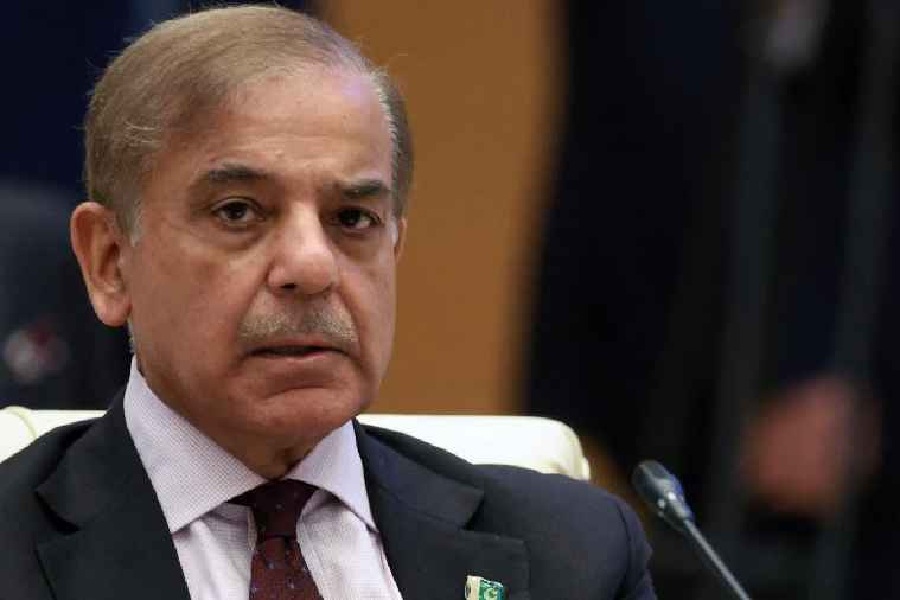
Pakistan Reaffirms Support for Saudi Arabia
On Friday, Pakistani Prime Minister Shehbaz Sharif condemned the latest attacks and reaffirmed Islamabad’s commitment to Saudi Arabia’s sovereignty, territorial integrity and security under the Makkah Joint Defence Agreement.
The agreement, signed by Pakistan, Saudi Arabia and Türkiye in August 2026, commits the countries to collective defence. Its implementation is now being tested by the growing threat from Houthi missiles and drones.
Pakistan has said its commitment to Saudi security remains firm. However, the precise role of Pakistani forces in the current crisis has not been fully disclosed, and Islamabad has denied reports that Pakistani fighter jets conducted strikes against Houthi targets inside Yemen.
Why Pakistan Cannot Ignore Iran
While Saudi Arabia is a key strategic partner, Pakistan shares a long border with Iran and has strong reasons to avoid a direct confrontation with Tehran.
Iran has long supported Yemen’s Houthi movement, although the extent of its operational control over the group is disputed. If Pakistan were to participate directly in offensive operations against Houthi positions inside Yemen, it could strain relations with Iran and risk drawing Islamabad deeper into the regional conflict.
Pakistan has therefore emphasised the defensive nature of its commitments. Officials have distinguished between helping protect Saudi territory from incoming attacks and conducting offensive strikes across the border into Yemen.
Houthi Attacks Raise Regional Security Concerns
The latest attacks have heightened concerns about the security of Saudi Arabia’s airports, civilian infrastructure and energy facilities. The Houthis have claimed responsibility for missile and drone attacks, while Saudi authorities have reported interceptions and damage from falling debris.
The disruption has also affected international aviation. Several airlines, including Air India and Lufthansa Group carriers, suspended or altered flights to Riyadh following the reported airport incidents. The situation highlights how the conflict can affect civilian travel and regional economic activity beyond the immediate battlefield.
Pakistan’s Defence Pact Faces Its First Major Test
The Makkah defence agreement is intended to strengthen collective deterrence by treating an armed attack on one member as an attack on all. Yet the agreement’s practical limits are now under scrutiny.
Pakistan’s leaders must determine how to honour their security commitments without becoming directly involved in a wider war. Possible defensive assistance includes intelligence-sharing, reconnaissance and air-defence support, but Islamabad has not publicly confirmed the full operational details of its contribution.
Türkiye is also navigating the distinction between protecting Saudi territory and joining offensive operations in Yemen. The three countries’ decisions in the coming days could shape the future credibility and scope of their defence partnership.

Can Diplomacy Prevent a Wider Conflict?
Diplomatic engagement remains a possible alternative to further military escalation. Pakistan’s Foreign Minister Ishaq Dar previously said Iran had suggested exploring political engagement with the Houthis, although he described the idea as a proposal for discussion rather than a formal agreement.
For Islamabad, the challenge is to preserve its strategic partnership with Saudi Arabia while maintaining channels of communication with Tehran. A direct Pakistani military role in offensive operations could make that balancing act considerably harder.