
Nepal | August 27, 2026
Scientists investigating the catastrophic floods along the Nepal–Tibet border believe a massive landslide and glacial collapse may have set off a devastating chain reaction. A huge mass of ice, rock and debris collapsed into a mountain river, creating a destructive surge that swept through valleys and settlements downstream.
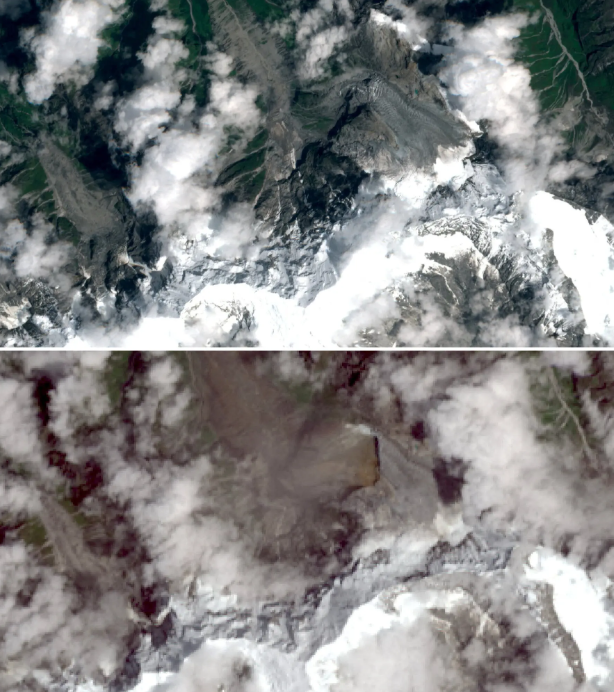
Satellite imagery suggests that part of a glacier broke away at high altitude and crashed dramatically towards the valley floor. Scientists are still investigating exactly what triggered the collapse. Early reports raised the possibility of an earthquake, but experts later indicated that the seismic activity may itself have been caused by the enormous glacier-and-rock collapse.
A Deadly Chain Reaction
The collapse sent ice, mud, rocks and water rushing into the river system, unleashing catastrophic flash floods. Roads, bridges, homes and other infrastructure were destroyed as rescue teams continued searching for survivors and the missing.

Scientists Also Watch the Climate Factor
Experts say warming temperatures can destabilise mountain ice, rock and permafrost, potentially increasing the risk of cascading disasters in the Himalayas. However, the precise role of climate change in this specific collapse is still under investigation.
The tragedy is a heartbreaking reminder of the immense power of the Himalayas: one catastrophic collapse can trigger a terrifying chain reaction, turning a mountain valley into a deadly flood zone within minutes.