
Under the new rules, the export duty on petrol has increased from ₹0.50 to ₹2.50 per litre. Meanwhile, the levy on diesel exports has been reduced from ₹16 to ₹8.50 per litre, offering exporters a reduction of ₹7.50 per litre.
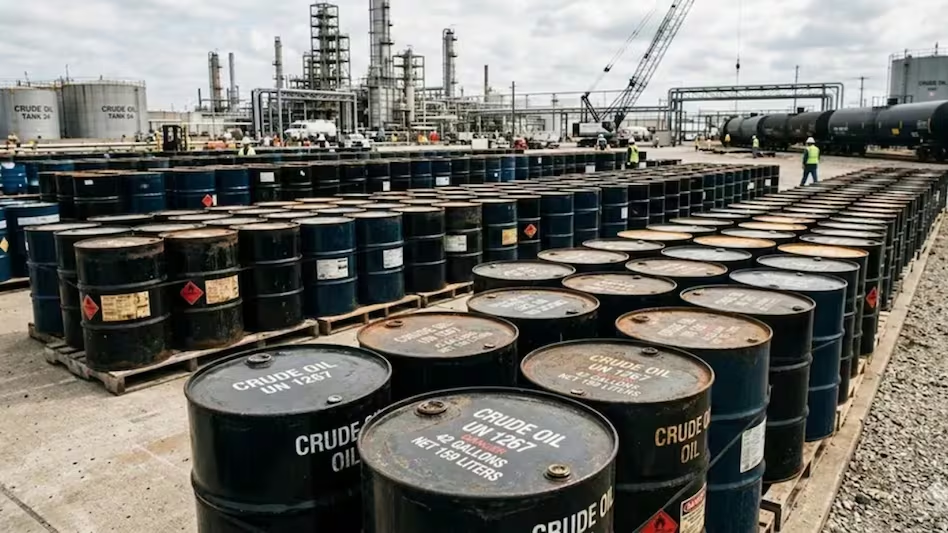
Petrol Export Tax Increased Fivefold
The government has raised the petrol export duty to ₹2.50 per litre from the earlier ₹0.50. The change affects companies exporting petrol and forms part of the government’s wider approach to managing fuel exports amid fluctuations in international oil prices.
Diesel Export Duty Cut by ₹7.50 Per Litre
In contrast, the government has reduced the duty on diesel exports to ₹8.50 per litre from ₹16. This means exporters will pay ₹7.50 less per litre in export levies under the revised rates.
The export duty on aviation turbine fuel (ATF) remains unchanged at ₹10.50 per litre for the current review period.
Will Petrol and Diesel Prices Increase in India?
The latest decision does not automatically mean higher petrol prices or cheaper diesel at Indian fuel stations.
The government has clarified that there is no change in the existing duty rates on petrol and diesel cleared for domestic consumption. Therefore, the revised export levies do not directly change the tax charged on fuel sold within India.
Retail fuel prices can still change for other reasons, including international crude oil prices and decisions by oil marketing companies. Consumers should check the latest rates in their respective cities for an accurate picture.

Why Does the Government Revise Windfall Taxes?
India introduced export levies on petroleum products in March 2026 amid the West Asia crisis and concerns about rising international oil prices. The duties are reviewed every fortnight and adjusted according to movements in global crude oil and petroleum product prices.
These levies are intended to help maintain domestic fuel availability and manage the incentives for companies to sell petroleum products overseas rather than in the domestic market.
What Does the Decision Mean for Consumers?
For now, the key change concerns the export business rather than the price paid by motorists at petrol pumps. Petrol exporters face a higher levy, while diesel exporters receive a reduction in the duty they pay.